Part of my work involves editing podcasts. That means making decisions before anyone sees the finished episode. Where should the conversation begin? Does a section need more context? Which part would make a useful shorter clip?
Those are familiar questions when you do that work. Someone who’s never edited a video might find it interesting to see how you answer them.
That’s an opportunity I’d look for in your business too.
Think about a step you take on every job, or something you check before making a recommendation. You may be leaving it out of your content because it feels too ordinary to explain.
Here’s how I’d look for a story in it.
Show what you’re looking for
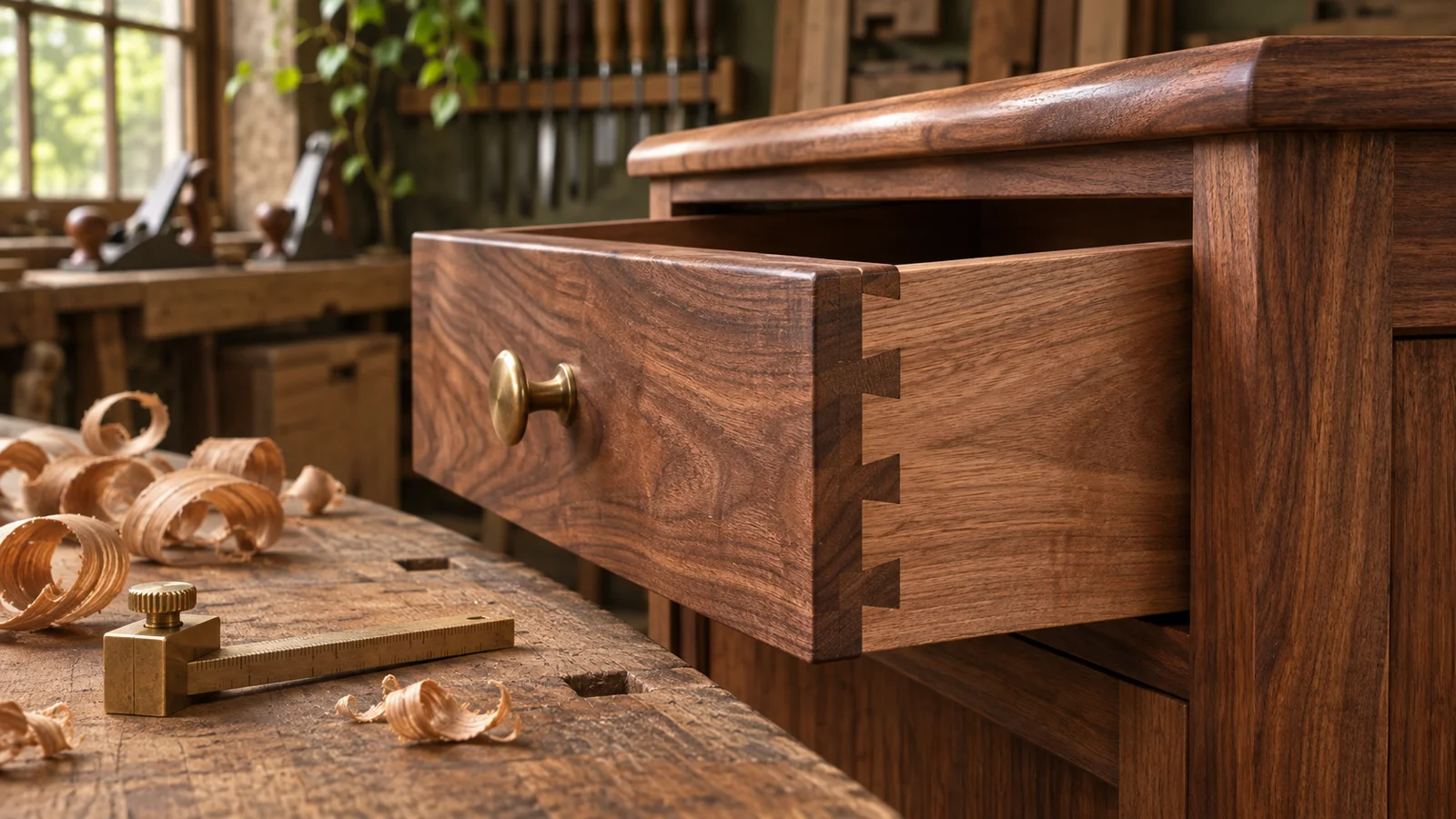
Take a furniture maker as an example. Imagine a customer watching them slide a drawer in and out before calling a piece finished.
The customer asks what they’re checking. The furniture maker explains, then shows the detail they’re looking at.
You now have the beginning of a helpful post. There’s an action to show, a question to answer, and a reason the detail matters to the finished piece.
The same approach could work for a contractor explaining a decision on a job, or a shop owner showing what they ask before recommending a product. Use an example from your actual work and explain the part a customer would otherwise miss.
Connect the detail to the customer
A close-up needs some explanation. Tell the reader what they’re seeing and how it relates to the work they’re considering.
For that drawer, I’d want to know what the furniture maker is looking for and how it relates to using the finished piece. Show the check and explain what would make you adjust it.
For a podcast edit, I could show how an opening gives a viewer enough context to follow the conversation. The point would be to make that decision understandable to someone who hasn’t done the editing.
Keep the explanation focused. Introduce an industry term only when it helps, and explain it in the words you’d use with a new customer.
Try this on your next job
Look for a moment when you check, compare, or adjust something. Ask yourself what you’d say if a customer were beside you asking why.
Take a photo or a short clip when it’s appropriate and permitted. Add a note while the detail is fresh, then build the post around the question.
You could open with, “Here’s what we check before calling this finished.” Show the real check, explain why it matters, and give the reader enough context to understand what they’re looking at.
If you’re unsure whether the explanation makes sense, ask someone unfamiliar with your work to read it. Their next question can show you where it needs more detail.
Before you move on from your next routine check, save a quick note about why you did it. That will help you explain the work when you’re ready to share it.